Legacy System Modernisation: Rebuild, Replatform or Integrate?
A decision framework for modernising ageing software without replacing valuable systems by default.
By AUZtec Innovations

A legacy system is not simply old software. It is software that has become difficult to change safely, expensive to operate or unable to support the business direction.
Some legacy platforms still perform their core job reliably. Replacing them because the interface looks dated can destroy years of embedded business knowledge. Other systems have reached the point where every small change creates an outage risk. The right modernisation plan separates those cases.
Begin with the business constraint
Write down what the current system prevents:
- launching a new product;
- connecting a customer portal;
- reporting across teams;
- supporting remote work;
- meeting security or compliance requirements;
- handling transaction growth;
- releasing changes safely; or
- retaining people who can maintain it.
That constraint defines the value of modernisation. "Move to the cloud" is a technical direction, not a business outcome.
Option one: stabilise and retain
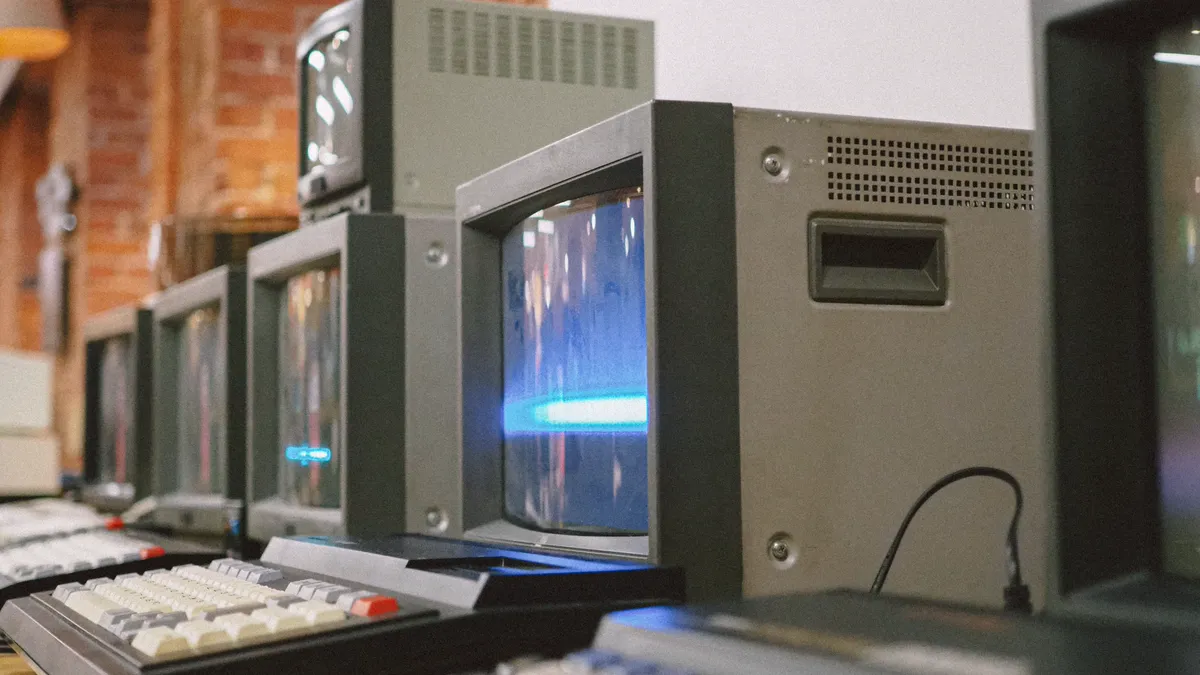
If the system is reliable and still supports the process, the best first step may be operational:
- document dependencies;
- introduce reliable backups;
- monitor failures;
- restrict administrator access;
- patch supported components;
- automate deployment where possible; and
- capture critical business rules.
This buys time and reduces the risk of making a rushed replacement decision.
Option two: integrate around the core
An API or integration layer can expose valuable functions without rewriting the whole application. A modern customer portal might call the legacy pricing engine while a data pipeline moves reporting into a more suitable platform.
This works when the core logic is valuable but the user experience, reporting or connectivity is weak.
Our Enterprise Integrations & APIs service focuses on data ownership, error recovery and monitoring so the new layer does not become another fragile workaround.
Option three: replatform

Replatforming moves the application to a more supportable runtime or infrastructure with limited changes to its internal design. Examples include:
- moving from an unsupported server to managed cloud infrastructure;
- containerising a service;
- replacing an end-of-life database;
- introducing automated deployment; or
- separating file storage and backups from one machine.
It can improve reliability and security faster than a complete rewrite. It does not automatically fix a poor architecture or confusing workflow.
The AWS modernisation guidance emphasises a roadmap, target architecture, iterative delivery and measurable outcomes rather than a single migration event.
Option four: refactor selected components
Refactoring changes the internal design without replacing every feature. Start with the parts that change most often, create the most incidents or block new capability.
A common pattern is to extract one service at a time behind stable interfaces. This reduces risk but requires disciplined testing because old and new components must operate together during transition.
Option five: rebuild or replace
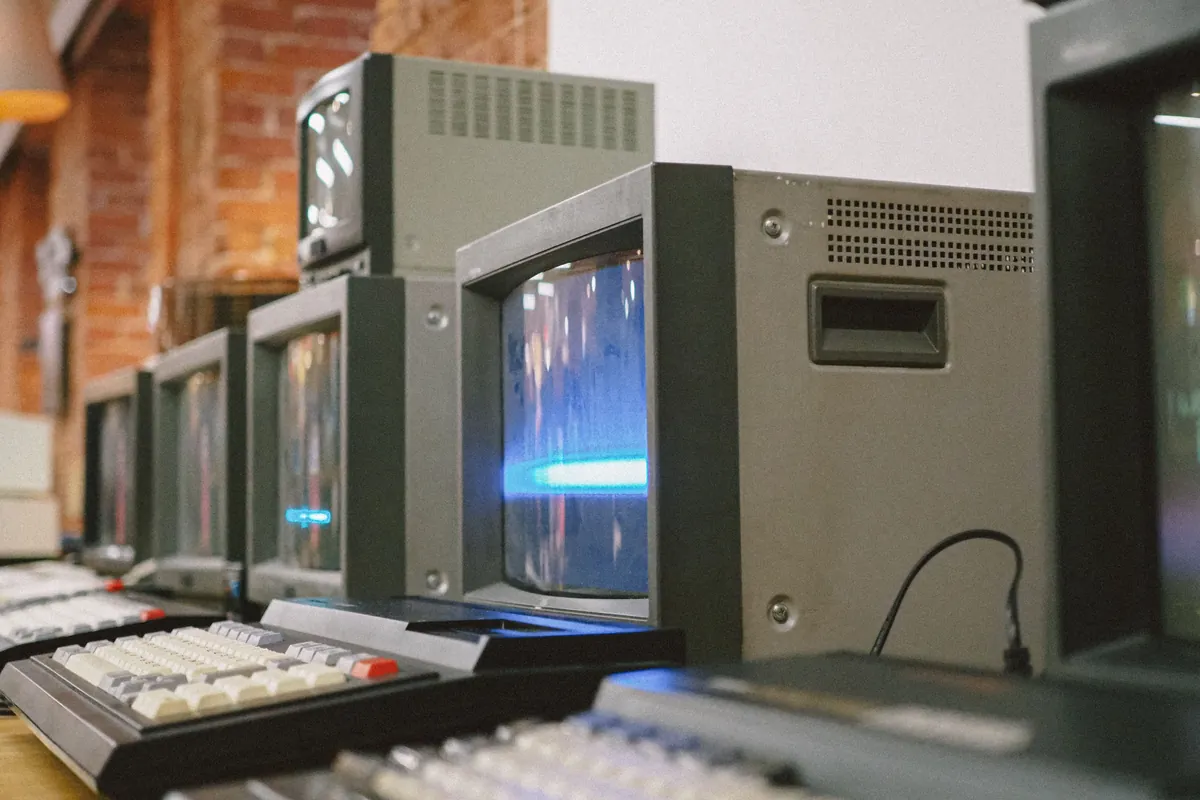
A rebuild makes sense when:
- the original technology is unsupported;
- the data model prevents essential change;
- security cannot be repaired economically;
- business rules are understood and can be tested;
- operating cost is persistently high; and
- a phased transition is possible.
Buying a modern platform may be better than rebuilding commodity capability. Build the elements that differentiate the business; configure proven software for standard functions.
Our Turnkey Solutions work combines infrastructure, software, integration and operational handover because modernisation crosses all four.
Score each application, not the whole estate
Create an application register and rate:
- business criticality;
- change frequency;
- security exposure;
- supportability;
- integration difficulty;
- data quality;
- annual operating cost; and
- replacement complexity.
This prevents the loudest complaint from setting the entire roadmap. A low-criticality system with extreme maintenance cost may be retired quickly. A high-criticality platform with stable performance may receive an integration layer first.
Protect the data transition
Data migration is usually harder than screen development. Decide:
- which system owns each record;
- how duplicates are resolved;
- what history must remain accessible;
- how migration is reconciled;
- how long old and new systems run together; and
- what triggers rollback.
Rehearse migration on production-like data. Record counts are not enough; validate balances, relationships, permissions and real business scenarios.
Deliver in vertical slices
Avoid a multi-year programme that produces no usable outcome until the final switch. Deliver one complete journey: one user group, one workflow and one measurable improvement.
Our Cloud & DevOps approach supports that incremental model through automated environments, observability and controlled releases.
The decision in one sentence
Retain what remains valuable, integrate what is isolated, replatform what is unsupported, refactor what changes constantly and rebuild only where the business case survives the risk.
If you have an ageing application and several competing proposals, bring us the constraints and current architecture. We can turn them into a phased modernisation roadmap before you commit to the most disruptive option.